
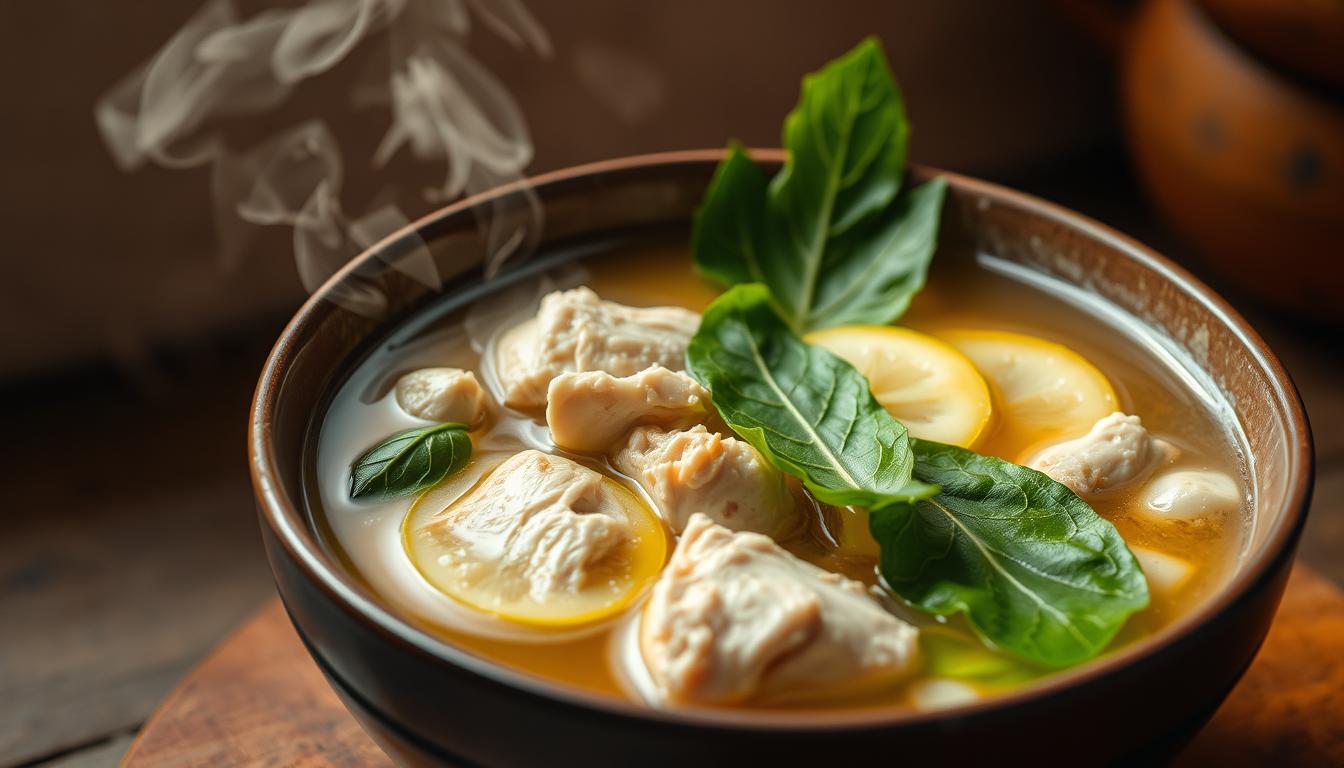
Authentic Chicken Tinola Recipe – Simple and Delicious
Do you ever crave a meal that feels like a warm hug? A dish that soothes from the inside out? This is the magic of true comfort food. It connects us to memories and offers simple, profound nourishment.
In the Philippines, this feeling often comes from a beloved soup known for its healing properties. The chicken tinola recipe we will explore is a cornerstone of Filipino cuisine. It has warmed families for generations.
Imagine tender pieces simmering in a fragrant, ginger-infused broth. This chicken tinola is more than just a meal. It is a tradition, even famously mentioned in Jose Rizal’s classic novel.
You can bring this comforting warmth directly into your own kitchen. Our guide uses simple ingredients and clear steps. You will create a wholesome meal perfect for any day, honoring a beautiful culinary heritage.
Introduction to Chicken Tinola
When a simple meal becomes part of a nation’s literary heritage, you know it holds special meaning. This Filipino dish transcends ordinary cooking to become cultural touchstone.
Discovering the History and Culture
Chicken tinola carries centuries of tradition in its fragrant broth. National hero Jose Rizal featured this iconic soup in his 1800s novel Noli Me Tángere. This literary mention cemented its status in Philippine culture.
The dish represents more than just nourishment. It embodies Filipino hospitality and family values passed through generations.
Why You’ll Love This Comfort Food
This comfort food provides both physical warmth and emotional solace. The ginger-infused broth creates a soothing experience. Families traditionally serve it during cold weather or illness.
The light yet flavorful profile makes this soup easy to digest. Each spoonful delivers soul-soothing qualities that define true comfort.
| Time Period | Cultural Role | Key Features |
|---|---|---|
| Pre-colonial Era | Indigenous Healing Soup | Ginger-based Broth |
| 1800s Literature | National Symbol | Rizal’s Novel Mention |
| Modern Times | Family Tradition | Weekly Household Staple |
This beloved tinola remains a weekly staple in Filipino homes. The aromatic combination of ginger, garlic, and onions creates a food experience that feels good for your soul.
Essential Ingredients and Their Benefits
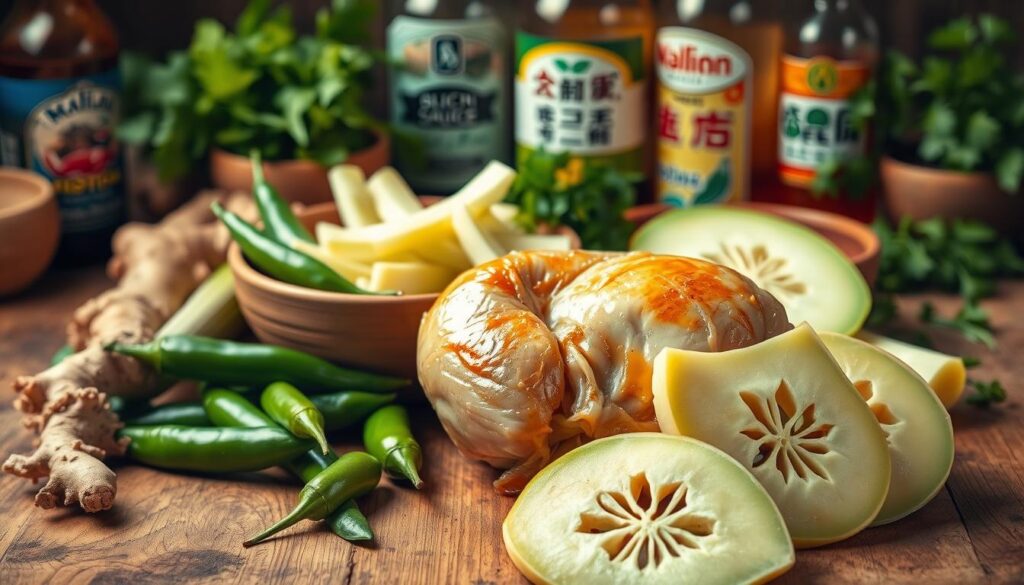
Understanding each element’s role elevates your preparation from ordinary to exceptional. The right combination creates a harmonious balance of flavors and textures.
Your selection of components determines the final character of your creation. Fresh, quality items make all the difference in achieving authentic taste.
Key Components of a Great Tinola
Start with bone-in poultry pieces for maximum flavor extraction. The aromatic foundation includes fresh ginger, garlic, and onions sautéed in oil.
Fish sauce provides essential umami depth. Green papaya adds subtle sweetness and contains natural tenderizing enzymes.
Nutrient-rich leaves like malunggay offer vitamins and antioxidants. The liquid base combines rice wash and water for a hearty broth.
| Ingredient | Primary Function | Key Benefit |
|---|---|---|
| Green Papaya | Texture & Sweetness | Digestive Enzymes |
| Malunggay Leaves | Nutrition & Color | Vitamin Rich |
| Fish Sauce | Umami Depth | Savory Complexity |
Smart Substitutions and Healthy Alternatives
When certain items are unavailable, chayote squash works perfectly instead of green papaya. It provides similar texture and mild flavor.
Spinach serves as an excellent alternative to specialty leaves. You can adjust fat content by removing skin from your protein choice.
These substitutions maintain the dish’s character while accommodating availability and dietary preferences. Your final result will still deliver comforting warmth.
Step-by-Step Chicken Tinola Recipe Process
Mastering the cooking sequence transforms simple ingredients into a comforting masterpiece. Each stage builds upon the last, creating layers of flavor in your pot.
The method follows a logical progression that ensures optimal texture and taste. Proper timing at each step makes all the difference.
Sautéing Aromatics and Browning the Chicken
Begin by heating cooking oil in your pot over medium heat. Add crushed garlic cloves, chopped onion, and fresh ginger.
Sauté for 1-2 minutes until fragrant. Then add chicken pieces and brown lightly for another 2 minutes. This initial cooking seals in juices.
Simmering to Extract Maximum Flavor
After adding fish sauce and rice wash, bring the liquid to a boil. Reduce heat and let it simmer for 10 minutes.
Add water as needed, then incorporate green papaya. Continue simmering for 15-20 minutes until tender. The extended cook time develops rich broth.
| Cooking Stage | Duration | Key Action | Result |
|---|---|---|---|
| Aromatic Sauté | 2-3 minutes | Heat oil, add garlic/onion/ginger | Flavor foundation |
| Chicken Browning | 2 minutes | Add chicken, light searing | Sealed-in juices |
| Initial Simmer | 10 minutes | With rice wash | Flavor extraction |
| Vegetable Cook | 15-20 minutes | Add papaya, simmer | Tender results |
Finish with pepper and fresh leaves off the heat. The residual warmth perfectly wilts the greens. This tinola method guarantees fall-off-the-bone tenderness.
Tips for Perfecting Your Tinola
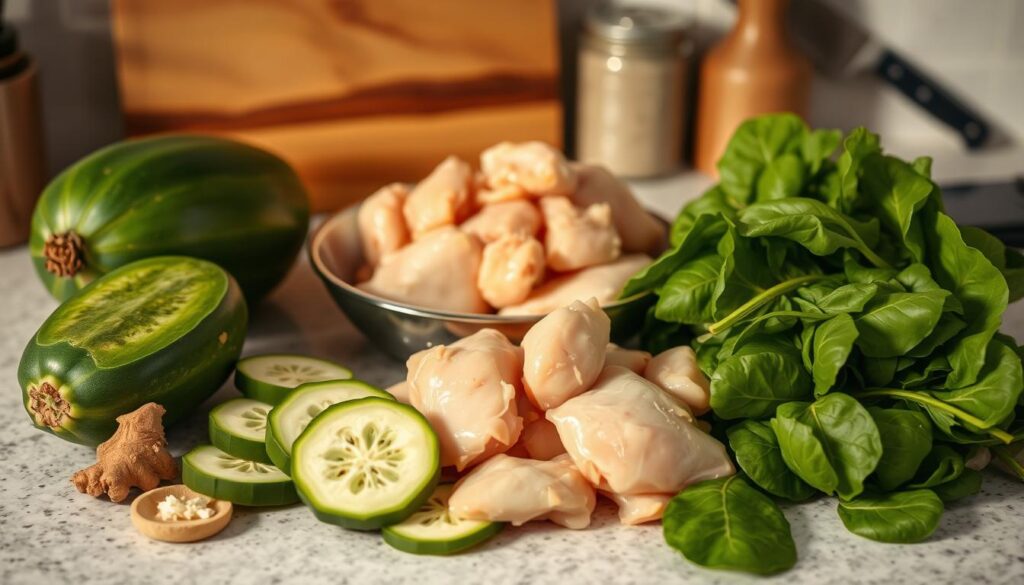
The difference between a decent meal and an unforgettable one often lies in the details of preparation. Mastering a few key techniques will transform your cooking results dramatically.
Proper preparation sets the foundation for exceptional flavor development. These methods ensure your dish reaches its full potential.
Marinating Techniques for Tender Chicken
Start by patting your poultry pieces dry before applying the marinade. Use one tablespoon of fish sauce per pound of meat for optimal results.
Allow the marinade to penetrate for at least two hours. This timeframe enhances the overall taste profile significantly.
Remember to bring marinated items to room temperature for twenty minutes before cooking. This step ensures even heating throughout the process.
Adjusting Seasonings to Suit Your Taste
Taste your broth periodically during the simmering stage. If the flavor seems weak, add fish sauce one tablespoon at a time.
Should the broth become too salty, simply dilute with additional water. Adjust black pepper quantities to control the heat level.
Your patience during the cooking process pays dividends. Adequate time allows the ginger-infused broth to extract maximum flavor.
| Technique | Key Step | Time Required | Flavor Impact |
|---|---|---|---|
| Marinating | Fish sauce coating | 2+ hours | Deep umami base |
| Browning | Medium heat sear | 2-3 minutes | Caramelized notes |
| Seasoning Adjust | Periodic tasting | Throughout cook | Customized balance |
These simple adjustments allow you to create a personalized version that suits your preferences perfectly. The right techniques make all the difference.
Serving Suggestions and Variations
How you serve your creation matters just as much as how you prepare it. The right presentation enhances both flavor and cultural authenticity.
Traditional Filipino meals often feature specific pairings that complete the experience. These combinations have been perfected over generations.
Pairing With Steamed Rice and Extras
Serve your steaming creation in large, welcoming bowls while hot. This preserves the aromatic ginger-infused broth at its peak.
A generous side of steamed white rice creates the ultimate comfort food combination. The grains absorb the flavorful liquid beautifully.
Offer small dishes of extra fish sauce and ground black pepper on the side. This allows each person to adjust seasonings to their taste.
Fresh lime or calamansi slices add a zesty twist to each bowl. The citrus brightens the rich flavors perfectly.
For a complete feast, serve crispy fried fish alongside your main dish. The contrasting textures complement the tender ingredients.
This soup actually improves when made in advance. Giving flavors time to mingle creates a more developed taste.
You can easily double or triple these recipes for larger gatherings. The dish works wonderfully for family reunions and potlucks.
Additional Flavor Boosters
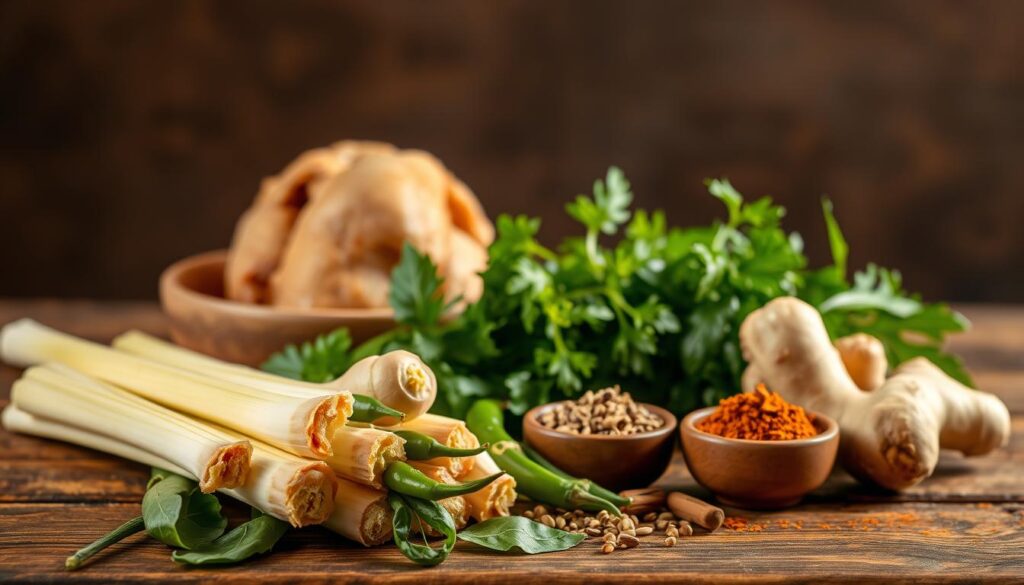
Sometimes the smallest ingredients make the biggest impact on your final dish. These simple additions transform your cooking from good to extraordinary.
Understanding how to maximize each component’s potential creates depth and complexity. Your attention to these details pays delicious dividends.
Enhancing Umami with Fish Sauce
Fish sauce serves as the cornerstone of authentic Filipino flavor. Food historian Doreen Fernandez documented how Filipinos carried small bottles when traveling abroad.
Your initial addition of 2 tablespoons to the pot provides the essential umami foundation. Incorporate the extra fish sauce from your marinade for deeper flavor.
You can adjust the quantity throughout cooking to suit your taste. This ingredient adds both saltiness and complex savory depth that regular salt cannot replicate.
Incorporating Fresh Greens for a Nutrient Boost
Your nutrient boost comes primarily from fresh malunggay leaves. Add them at the end of cooking to preserve their vitamin C, beta carotene, and antioxidants.
Hot pepper leaves contribute mild heat and unique taste that distinguishes authentic preparations. If malunggay isn’t available, spinach serves as an excellent substitute.
Green papaya contains papain enzyme that aids digestion and helps tenderize meat. Your choice between papaya and chayote impacts both texture and flavor in the final soup.
Nutritional Benefits and Health Insights
The nutritional profile of this beloved dish extends far beyond simple comfort, delivering essential vitamins and digestive benefits. Each component contributes specific wellness properties that work together to support your overall health.
Understanding the Health Perks of Green Papaya and Malunggay
Green papaya contains a powerful enzyme called papain that helps break down proteins in your digestive system. This makes the soup easier to digest while reducing uncomfortable bloating after meals.
You’ll benefit from the rich vitamin content in this unripe papaya. Vitamins A, C, and E work together to strengthen your immune system and support cellular repair.
The antioxidant properties combat inflammation and protect your cardiovascular health. High fiber content keeps your digestive system running smoothly.
| Ingredient | Key Nutrient | Health Benefit | Preparation Tip |
|---|---|---|---|
| Green Papaya | Papain Enzyme | Improved Digestion | Simmer 15-20 minutes |
| Malunggay Leaves | Vitamin C | Immune Support | Add last 1-2 minutes |
| Chayote Squash | Dietary Fiber | Heart Health | Alternative to papaya |
| Spinach | Iron & Antioxidants | Blood Health | Wilts quickly in hot broth |
Malunggay leaves pack extraordinary amounts of nutrients into each spoonful. When using spinach as an alternative, add it during the final minutes of cooking.
Your choice between green papaya and chayote impacts both texture and nutritional value. Both options provide substantial fiber that benefits multiple body systems.
Add delicate greens to your pot during the last 1-2 minutes to preserve heat-sensitive vitamins. This tinola becomes a complete wellness meal with easily digestible components.
Conclusion
With these techniques mastered, your kitchen becomes a gateway to authentic Filipino comfort cooking. You now possess the knowledge to create a chicken tinola recipe that honors generations of culinary tradition.
Your journey through this soup preparation has equipped you with skills for both everyday meals and healing nourishment. Each element contributes to the authentic flavor profile that makes this dish so beloved.
Your chicken tinola will provide warmth and comfort to family and friends. This continues the Filipino tradition of sharing generous, soul-satisfying food.
Feel confident experimenting with variations while respecting fundamental techniques. Your kitchen will soon fill with aromatic scents signaling a pot of authentic tinola is ready.
You’ve gained more than just a recipe. You understand how simple ingredients transform into dishes that nourish both body and spirit with every comforting spoonful.