
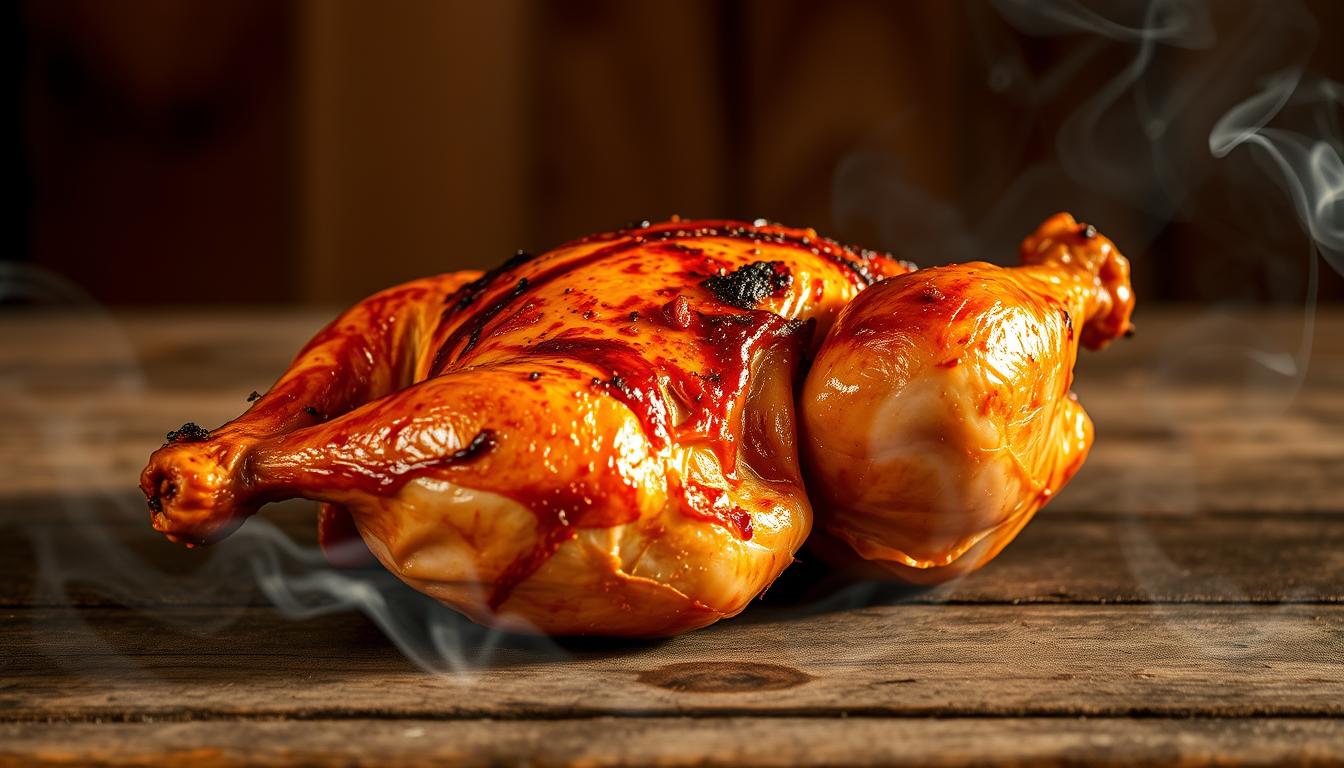
Explore the Best Chicken Recipes on Traeger
Remember that feeling? The sun is warm on your skin, and the air fills with a scent that pulls everyone outside. It’s more than just cooking; it’s about creating moments. The sizzle on the grate promises something special, a meal that brings people together.
That’s the magic we want to unlock for you. This guide is your trusted companion for mastering your outdoor cooker. We believe great food should be simple, rewarding, and full of incredible taste.
You will find everything you need right here. Learn to prepare quick weeknight dinners or stunning dishes for guests. Discover how to get that perfect, juicy result every single time.
We cover all the essentials. From high-heat searing for crispy skin to low-and-slow smoking for deep, rich flavor. Our methods take the guesswork out of the process.
Whether you’re new to pellet grills or a seasoned expert, this resource will build your confidence. Get ready to transform your cooking and create unforgettable meals.
Introduction to Traeger Chicken Cooking
Modern pellet technology has revolutionized how we approach wood-fired flavor. These innovative systems bridge the gap between convenience and authentic taste.
Your journey begins with understanding what makes this method unique. The equipment combines precision with traditional smoking principles.
Why Use a Traeger Grill?
You get consistent temperature control that eliminates guesswork. The digital system maintains your desired heat level automatically.
This pellet system feeds wood fuel continuously. You can step away without constant monitoring like charcoal requires.
Your equipment functions as a complete outdoor kitchen. It handles grilling, smoking, roasting, and even baking.
What Makes Traeger Chicken Special?
The wood-fired flavor penetrates deeply into the meat. Different pellet types let you customize the taste profile.
You achieve remarkable consistency compared to other methods. The precise temperature prevents drying out your food.
Smoke infusion varies with your cooking approach. Lower temperatures for longer periods create the richest flavor.
| Method | Temperature Range | Cook Time | Smoke Intensity | Best For |
|---|---|---|---|---|
| High Heat Grilling | 400°F+ | 25-30 minutes | Light | Crispy skin, quick meals |
| Low & Slow Smoking | 225-250°F | 90-120 minutes | Rich | Deep flavor, tender results |
| Medium Roasting | 325-375°F | 45-60 minutes | Moderate | Balanced texture and taste |
Essential Tools and Ingredients for Successful Recipes
Your success with outdoor cooking begins with gathering the proper equipment and ingredients. Having the right tools ensures consistent results every time you cook. This preparation step saves you from frustration during the cooking process.
Must-Have Cooking Equipment
A high-quality meat thermometer is your most critical tool. It provides the only reliable way to determine when your food is perfectly cooked. This prevents overcooking, which causes dry results.
Consider a wireless thermometer with multiple probes. You can monitor internal temperature without opening the lid. This maintains consistent heat and reduces overall cooking time.
Your grill grates need proper maintenance for optimal performance. Clean grates with good spacing prevent sticking and create beautiful marks. Heavy-duty construction handles high-temperature searing effectively.
Baker’s twine helps with trussing whole birds for even cooking. Wire racks enable dry-brining techniques for crispy skin. Airtight containers are essential for safe marinating and storage.
The type of wood pellet you choose significantly impacts flavor. Signature blends offer versatile taste that works with various seasonings. Stronger woods like hickory create pronounced smoke profiles for low-temperature methods.
chicken recipes on traeger
The secret to exceptional poultry dishes lies in understanding three fundamental approaches. Each method delivers distinct textures and taste profiles that elevate your cooking.
Grill, Smoke, and Roast Techniques
High-heat grilling creates crispy exteriors in just 20-30 minutes. Smoking at lower temperatures develops deep wood-fired flavor over longer periods. Roasting provides balanced results with moderate cook times.
| Method | Temperature | Cook Time | Best Result |
|---|---|---|---|
| Grilling | 500°F | 20-30 minutes | Crispy skin, quick meals |
| Smoking | 225°F | 90-120 minutes | Rich smoke flavor |
| Roasting | 350°F | 45-60 minutes | Even cooking, juicy texture |
Marinade and Rub Insights
Your seasoning strategy dramatically impacts the final outcome. Proper marinating tenderizes meat while infusing complex flavors.
“The right marinade transforms simple ingredients into memorable meals through careful flavor development.”
A chipotle blend combines citrus juices, garlic, and spices for bold taste. Marinate for 2-3 hours, but limit acidic mixtures to 12 hours maximum. This prevents mushy texture while ensuring perfect tenderness.
Mastering Temperature and Timing
Your cooking results depend heavily on managing two critical factors. Proper heat control ensures safety while achieving perfect texture. Timing varies significantly based on your chosen method.
Understanding Internal Temperature
Food safety begins with knowing the right internal temperature. The USDA recommends 165°F for all poultry parts. Experienced cooks often pull breast meat at 162°F.
Carryover cooking raises the temperature 3-5 degrees during resting. Dark meat requires higher temperatures around 185°F. This breaks down connective tissue for better texture.
High Heat vs. Low and Slow Methods
High-heat cooking at 400-500°F creates meals in 20-30 minutes. You get crispy exteriors with minimal smoke flavor. This approach works well for quick weeknight dinners.
Low-temperature smoking at 225-250°F takes 90-120 minutes. The extended time infuses deep wood-fired flavor. This method produces incredibly tender results.
Using a Meat Thermometer Effectively
Your thermometer should target the thickest part of the meat. Avoid touching bone for accurate readings. Instant-read models prevent heat loss from frequent lid opening.
Monitor placement since edges cook faster than center pieces. Proper temperature checking ensures perfect results every time. Rotation may be necessary for even cooking.
Diverse Chicken Cuts: Breast, Thighs, and Wings
Each cut of poultry presents unique opportunities and challenges for wood-fired preparation. Understanding these differences helps you achieve perfect results every time.
Perfecting Chicken Breast Recipes
Boneless, skinless breast meat requires careful handling due to its lean nature. Marinating overnight or butterflying creates more surface area for flavor penetration.
Smoking at 250°F for 90-120 minutes produces remarkably tender results. This gentle approach prevents the protein from drying out while developing rich flavor.
Smoked Chicken Thighs Tips
Thighs offer excellent value and forgiving texture for crowd-pleasing dishes. Their higher fat content keeps them moist even with slight overcooking.
Marinate for 4-12 hours before cooking at 375-400°F for about 15 minutes. Target 185°F internal temperature for optimal tenderness.
Crisping Up Chicken Wings
Achieving crispy skin requires specific techniques for wing preparations. Add aluminum-free baking soda or cornstarch to your seasoning blend.
Grill at 375°F for 35 minutes to render fat and create perfect texture. This approach delivers restaurant-quality results at home.
Flavor Boost: Marinades, Rubs, and Seasonings
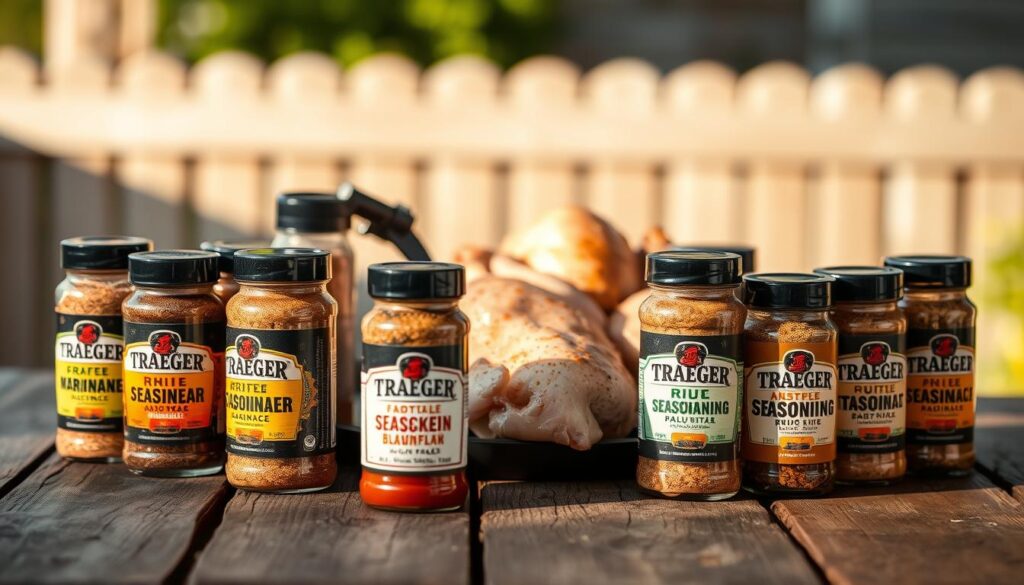
Your seasoning strategy transforms simple ingredients into extraordinary meals. The right combination of spices creates depth and character that complements wood-fired cooking perfectly.
Exploring Traeger Rub Options
You have three excellent Traeger-branded choices for your next cookout. The Chicken Rub features bright citrus notes with prominent black pepper. The Pork and Poultry blend offers a sweeter, smokier profile ideal for low-and-slow BBQ.
The all-purpose Traeger Rub works across all proteins and vegetables. Each blend delivers consistent results that enhance natural flavors without overwhelming them.
DIY Marinade and Seasoning Tips
Create your own custom blend using pantry staples. Combine 1/4 cup kosher salt, 2 tablespoons black pepper, and 2 tablespoons brown sugar. Add 1 tablespoon each of garlic powder, onion powder, and paprika for a balanced base.
Dry brining locks in moisture and concentrates flavor throughout the meat. Apply your seasoning 4-24 hours before cooking. This technique allows salt to penetrate deeply while restructuring proteins.
Customize your base with optional additions for different cuisines. Mustard powder and dried parsley create European influences. Chili powder and cumin add Southwestern heat to your dish.
Store homemade blends in airtight containers for up to three months. This economical approach ensures you always have quality seasoning ready for impromptu meals.
Creative Recipe Ideas and Variations
Leftovers often get a bad reputation, but with the right approach, they transform into exciting new meals. Your culinary journey continues long after the initial cooking session ends.
Batch preparation saves time throughout your busy week. This strategy reduces decision fatigue while ensuring quality homemade food is always available.
Mixing Global Flavors
Global cuisine influences can completely change your everyday dishes. Chipotle-marinated poultry adapts perfectly to Tex-Mex applications like taquitos and quesadillas.
Asian-inspired fried rice becomes a delicious option when you substitute traditional proteins. Mediterranean flavors work beautifully in composed salads with fresh vegetables.
Transforming Leftovers into New Meals
Proper storage is crucial for successful meal transformation. Dice or shred cooked poultry immediately after your initial preparation.
Portion it into an airtight container and refrigerate within two hours. This preserves quality and makes ingredients ready for quick weeknight dishes.
| Original Meal | Transformation Idea | Preparation Time | Best For |
|---|---|---|---|
| BBQ Grilled | Mac and Cheese | 20 minutes | Comfort Food |
| Basic Seasoned | Salad Topping | 10 minutes | Light Lunch |
| Smoked | Pasta Salad | 15 minutes | Potluck Dish |
| Any Style | Burrito Bowl | 12 minutes | Quick Dinner |
Side dishes prepared on your equipment create complete outdoor-cooked meals. Smoked beans and creative potato salads complement your main dishes perfectly.
This approach ensures you always have high-quality options instead of resorting to takeout. Your weekly cooking becomes more efficient and varied.
Step-by-Step Traeger Chicken Recipe Guide
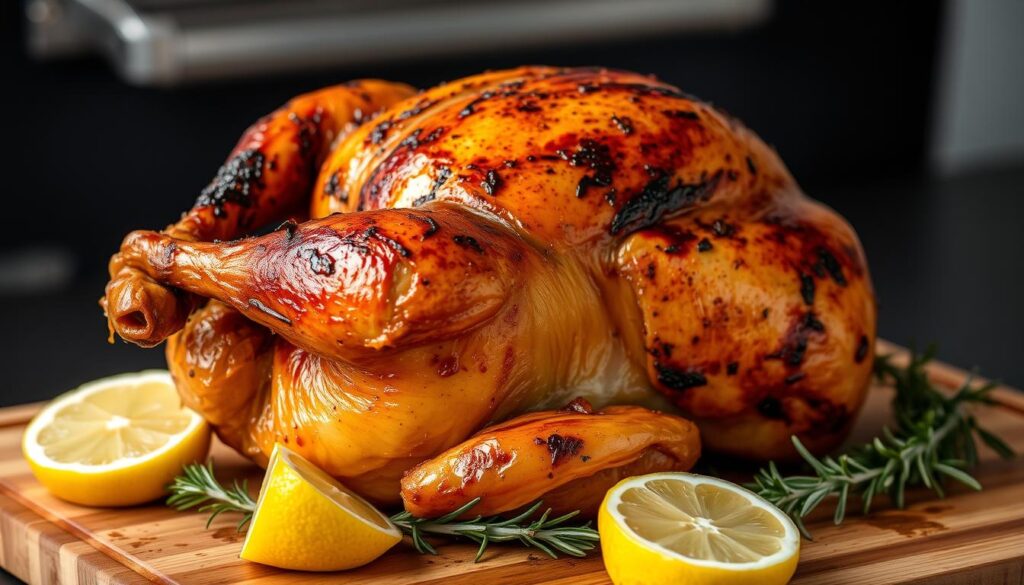
Follow this simple guide to create a perfectly cooked bird with minimal effort. Your preparation method determines the final texture and flavor of your meal.
Preparation and Marination Process
Start by preheating your equipment to 400-450°F for 15 minutes with the lid closed. This ensures stable cooking temperature and cleans the grates.
Truss the legs together using baker’s twine for even cooking. Apply about 1/2 cup of oil as a binder for your seasoning rub.
Season generously to cover the large surface area. The bold flavors need to penetrate thick breast meat and rich dark meat.
Grilling and Finishing Techniques
Place the bird breast-side up on the grill grates. Resist opening the lid during the 70-minute cook time to maintain consistent heat.
Check the internal temperature reaches at least 165°F in the thickest part. Confirm both breast and thigh areas meet safety standards.
For maximum crispy skin, try dry-brining overnight. Salt draws moisture from the skin when refrigerated uncovered.
Plating and Serving Suggestions
Let your protein rest for 15 minutes after cooking. This allows juices to redistribute throughout the meat.
Prepare side dishes while your main course cooks. The hands-off method gives you time to create complete meals.
Serve with your favorite accompaniments for a memorable dining experience. This approach delivers consistent results every time.
Tips and Tricks for Ultimate Traeger Chicken
The difference between dry, tough poultry and juicy, flavorful meat often comes down to simple adjustments. These professional techniques ensure your efforts yield consistent, restaurant-quality results every time you fire up your equipment.
Avoiding Common Cooking Mistakes
Your most valuable tool remains a reliable meat thermometer. Cooking times vary based on protein size and weather conditions. Trusting temperature readings prevents overcooking.
White meat requires different treatment than dark cuts. Breast pieces become perfect at 162°F due to carryover cooking. Dark meat needs higher temperatures around 185°F to break down connective tissue.
Proper fat management significantly impacts moisture retention. Lean cuts benefit from brining, while fattier parts handle longer cooking without drying out.
Expert Advice on Resting and Serving
The resting period after cooking is essential for juicy results. Allow your main course to rest 5-15 minutes before cutting. This lets protein fibers relax and reabsorb moisture.
Your pellet choice affects flavor without requiring expensive options. Signature blends work well for general cooking. Reserve stronger woods like mesquite for dedicated smoking sessions.
Advanced preparation makes a noticeable difference. Season or marinate your protein 4-24 hours before cooking. This allows flavors to penetrate deeply and improves texture.
Batch cooking provides quick meal options throughout your week. Leftovers transform into various dishes, reducing preparation time significantly.
Conclusion
With these essential techniques mastered, your culinary possibilities expand dramatically. You now possess comprehensive knowledge to tackle any poultry preparation on your equipment.
Your success comes down to mastering fundamental principles. Understanding temperature differences between cuts and using reliable tools ensures perfect results every time.
The versatility of pellet cooking means you’re never locked into one approach. You can choose methods that match your available time and desired flavor intensity.
Your investment in quality ingredients and proper preparation pays dividends in the final dish. Patient techniques like marinating create remarkable texture and taste.
Batch cooking transforms your equipment into a practical weeknight tool. Pre-cooked protein adapts to countless quick meals throughout your busy schedule.
You’ll continue developing skills with each preparation you try. The foundation you’ve built allows confident adaptation of any recipe to make it your own.