
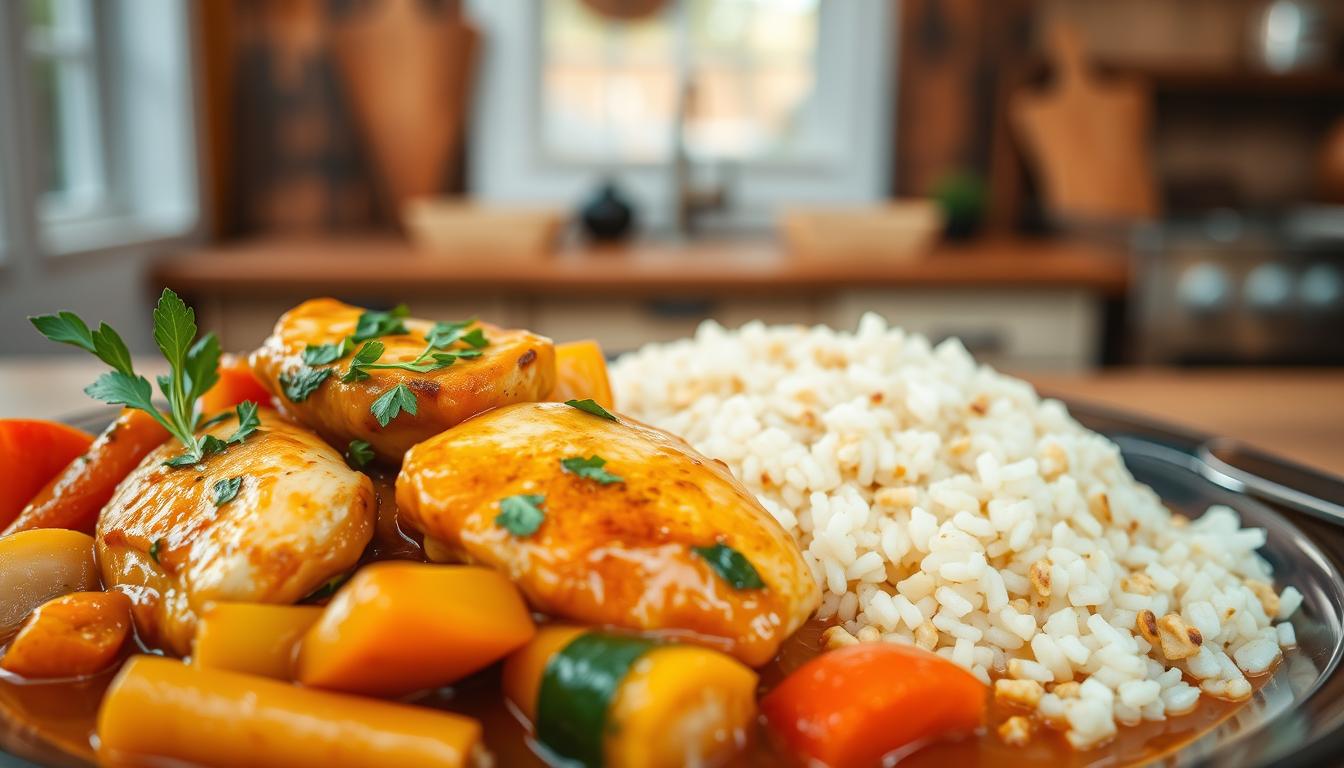
Healthy Slow Cooker Chicken Recipes for Nutritious Meals
Do you ever feel that dinnertime rush creeping in? The day gets busy, and the idea of making a wholesome meal from scratch can feel overwhelming. You want something good for your family, but time is short.
Imagine coming home to the inviting aroma of a meal that cooked itself. Your countertop appliance does the work while you manage your day. This method unlocks incredible flavor with very little effort on your part.
You can create tender, juicy dishes packed with lean protein and fresh vegetables. These meals bring comfort and nutrition to your table effortlessly. From classic favorites to exciting new flavors, the possibilities are vast.
This guide will show you how to master these simple, delicious recipes. You will learn to prepare flavorful chicken dishes that everyone will love. Get ready to make your evenings calmer and your meals more satisfying.
Overview of Nutritious Slow Cooker Chicken Recipes
Imagine transforming simple pantry staples into complete, satisfying dinners with minimal effort. This cooking approach lets you create wholesome meals that practically make themselves.
You’ll typically need just eight to ten basic items for most preparations. These often include items you already keep on hand. The focus is on balanced combinations of lean protein with fresh vegetables and whole grains.
Flavorful sauces come from natural components rather than processed additives. Your finished dish can range from Asian-inspired alternatives to classic comfort foods. Each provides essential protein, vitamins, and minerals.
The beauty lies in the simplicity of the process. You combine ingredients in the morning and return to a fully prepared meal. Customization is straightforward with simple substitutions.
Most preparations offer well-rounded nutrition with 25-35 grams of protein per serving. The method requires little added oil while keeping meat tender. Your chicken slow cooker becomes a tool for effortless nourishment.
This recipe approach supports busy lifestyles without sacrificing quality. You gain flexibility to adapt each recipe based on available ingredients. The result is consistently delicious and nutritious.
Benefits of Using a Slow Cooker for Healthy Meals
Your kitchen counter holds a secret weapon for simplifying weeknight meals. This appliance delivers remarkable advantages that extend beyond basic convenience.
Ease and Convenience
You gain back precious hours with this cooking method. Morning preparation takes just minutes before you start your day.
The appliance works independently while you focus on other tasks. You return home to a fully prepared evening meal. No additional cooking or reheating is needed.
Enhanced Flavor and Tenderness
Gentle, consistent heat transforms your ingredients. This process breaks down connective tissues in poultry.
The enclosed environment traps moisture and concentrates tastes. Herbs and spices infuse deeply throughout the extended cooking period.
You achieve exceptional texture without constant monitoring. Even less expensive cuts become tender and flavorful. The low-temperature approach prevents drying out.
Choosing the Right Chicken Cuts
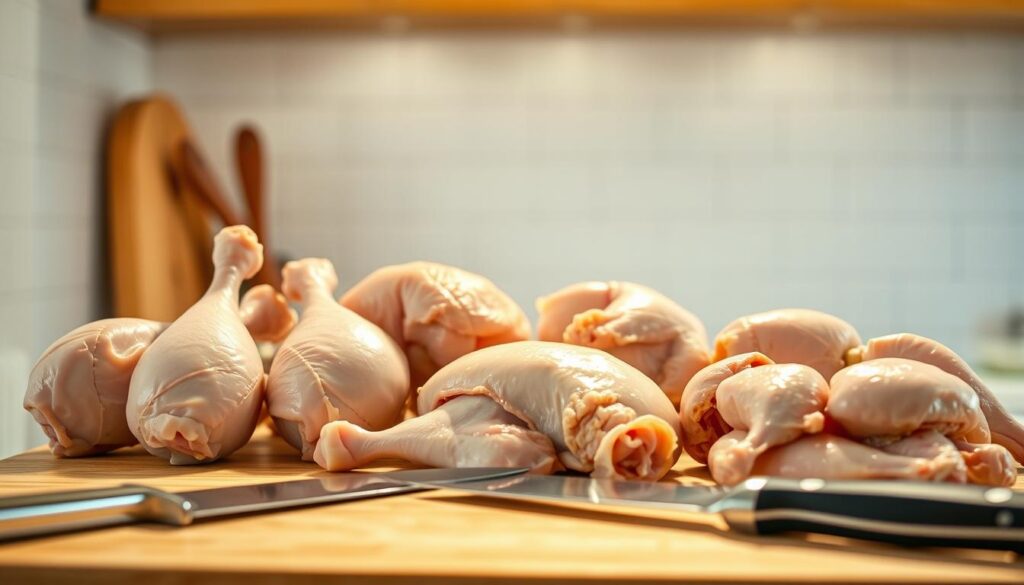
Selecting the proper poultry pieces can dramatically improve your final dish. The right choice affects texture, flavor, and cooking time. You have two main options that work well in extended cooking.
Chicken Breasts vs. Chicken Thighs
White meat from chicken breasts offers lean protein with less fat. These cuts require careful timing to prevent dryness. Check them early to ensure perfect tenderness.
Dark meat from chicken thighs contains more natural fat. This keeps them juicy during longer cooking periods. Thighs are more forgiving if you exceed recommended times.
Bone-in vs. Boneless Options
Bone-in pieces need 4-6 hours on low heat. The bone adds rich flavor to your sauce. Remember to remove skin first to avoid greasy results.
Boneless cuts cook faster in 2-4 hours. They’re easier to prepare and shred afterward. These work best when mixing meat back into sauces.
| Cut Type | Fat Content | Cooking Time (Low) | Best For |
|---|---|---|---|
| Chicken Breasts | Low | 2-3 hours | Lighter dishes |
| Chicken Thighs | Higher | 3-4 hours | Bold sauces |
| Bone-in Pieces | Varies | 4-6 hours | Rich flavors |
| Boneless Cuts | Varies | 2-4 hours | Quick prep |
Most preparations use 1.5 pounds of boneless meat or six bone-in pieces. This quantity typically serves four people comfortably. Your selection depends on desired texture and cooking schedule.
Essential Ingredients for Flavorful Slow Cooker Sauces
Creating balanced sauces requires understanding how different components work together. Your pantry holds everything needed for rich, complex flavors. Mastering these basics transforms simple meals into extraordinary experiences.
The right combination of sweet, salty, tangy, and spicy elements creates depth. Low-sodium soy sauce provides umami foundation without excess salt. Use about 1/3 to 1/2 cup per recipe for optimal results.
Sweet and Savory Combinations
Natural sweeteners like honey or maple syrup add caramelized notes. They balance the saltiness of soy sauce beautifully. Typically, 1/4 to 1/3 cup achieves perfect sweetness.
Fresh garlic builds aromatic complexity in every sauce. Mince 3-4 cloves to release maximum flavor. It works wonderfully with ginger for authentic profiles.
Acidic ingredients like rice vinegar brighten the overall taste. They cut through richness and enhance other components. Tomato paste or ketchup adds body and subtle tang.
For heat, incorporate chili paste or sriracha to preference. When searing before cooking, use olive oil for golden crust development. This oil enhances both appearance and taste.
Step-by-Step Guide to Preparing Slow Cooker Chicken
Understanding the fundamental techniques ensures consistently delicious results every time. Your approach begins with choosing between two primary methods.
Searing Techniques and Direct Slow Cooking
The searing method adds depth to your final dish. Heat oil in a skillet over medium-high temperature.
Season poultry pieces with salt and pepper. Cook for about three minutes per side until golden brown. This creates rich flavor through caramelization.
The direct method skips this initial step. Place raw meat directly into your appliance. Both approaches yield excellent outcomes.
Mixing and Layering Ingredients
Whisk all sauce components thoroughly before adding. Pour the mixture over your protein evenly.
Toss pieces to ensure complete coating. This helps flavors penetrate from the beginning. Proper layering ensures even cooking.
Cook on LOW for 4-5 hours or HIGH for 2-3 hours. Always verify internal temperature reaches 165°F.
| Method | Preparation Time | Flavor Depth | Best For |
|---|---|---|---|
| Searing First | Extra 6-8 minutes | Rich, caramelized | Special occasions |
| Direct Cooking | Immediate start | Clean, straightforward | Busy weekdays |
After cooking, remove poultry to thicken the sauce. Whisk in cornstarch and cook on HIGH for 15-30 minutes. Shred the meat and return to coat in the finished sauce.
Discover Healthy Slow Cooker Chicken Recipes for Every Occasion
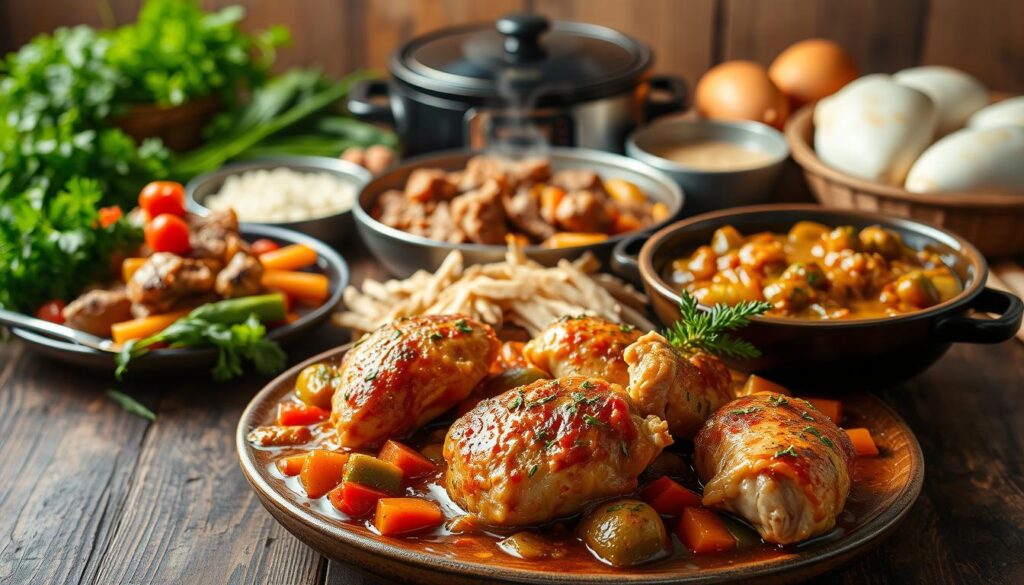
From sweet and savory honey garlic to tangy teriyaki, explore diverse flavor profiles with minimal effort. Your countertop appliance transforms basic ingredients into meals that satisfy different nutritional goals.
The honey garlic preparation uses 1.5 pounds of boneless poultry with a balanced sauce featuring soy, honey, and garlic. This dish delivers 35 grams of protein per serving with only 7 grams of fat.
For a lighter option, the teriyaki variation employs chicken breast with maple syrup and fresh ginger. Each serving contains just 187 calories while providing 25 grams of protein.
If you prefer richer dark meat, try the honey-soy thighs with ketchup, lime juice, and sriracha. This creates a perfect balance of sweet, tangy, and spicy notes.
All these crockpot preparations follow the same simple process. Combine sauce ingredients, pour over poultry, and cook for 2-6 hours depending on your setting.
Serve over brown rice or quinoa with steamed vegetables for complete meals. These recipes offer restaurant-quality flavor with controlled portions and natural ingredients.
Adapting Recipes for Different Dietary Needs
Catering to various dietary preferences doesn’t mean sacrificing flavor in your meals. Your favorite preparations can easily accommodate gluten-free, Paleo, or low-carb requirements with simple adjustments.
These modifications maintain the delicious taste while aligning with specific nutritional goals. You can enjoy the same satisfying dishes without compromise.
Gluten-Free Adjustments
Transform any preparation into a gluten-free version with two simple swaps. Use gluten-free tamari instead of regular soy sauce for the same savory flavor.
Replace rice vinegar with apple cider vinegar for complete adaptation. This ensures all acidic components remain free from gluten contamination.
Paleo-Friendly Variations
For Paleo diets, substitute arrowroot starch for cornstarch when thickening sauces. This maintains compliance while achieving the desired consistency.
Most preparations naturally avoid refined sugar by using honey or maple syrup. These natural sweeteners align with clean eating principles.
You can further reduce carbohydrates by serving dishes over cauliflower rice instead of traditional grains. The protein-to-fat ratio in chicken breast recipes works well for various approaches.
Dark meat options provide slightly higher fat content for those following specific protocols. Always check ingredient labels on sauces and pastes for hidden non-compliant additives.
These adaptations prove that nutritional integrity and fantastic taste can coexist beautifully.
Creative Twists on Classic Slow Cooker Recipes
Your countertop appliance offers more versatility than you might realize when it comes to creative meal adaptations. You can easily transform basic preparations into complete one-pot dinners with simple additions.
Add fresh or frozen vegetables during the final 30-45 minutes of cooking. This creates a balanced dish with minimal extra effort. Broccoli, snap peas, and mixed blends work particularly well.
For even quicker preparation, use steam-in-bag frozen vegetables. They cook in minutes and require no additional prep. Simply microwave and stir into your finished chicken creation.
Create low-carb alternatives by serving your protein over sautéed cabbage. The cabbage absorbs the delicious sauce while adding fiber. This creates a satisfying meal without excess carbohydrates.
Experiment with different flavor profiles inspired by popular takeout dishes. Try adding pineapple chunks for a tropical twist or cashews for crunch. Asian lettuce wraps offer a fresh presentation option.
These creative approaches maintain the convenience of crockpot preparation while allowing customization. You can adapt based on available ingredients and family preferences. The possibilities are nearly endless.
Time-Saving Tips and Meal Prep Strategies
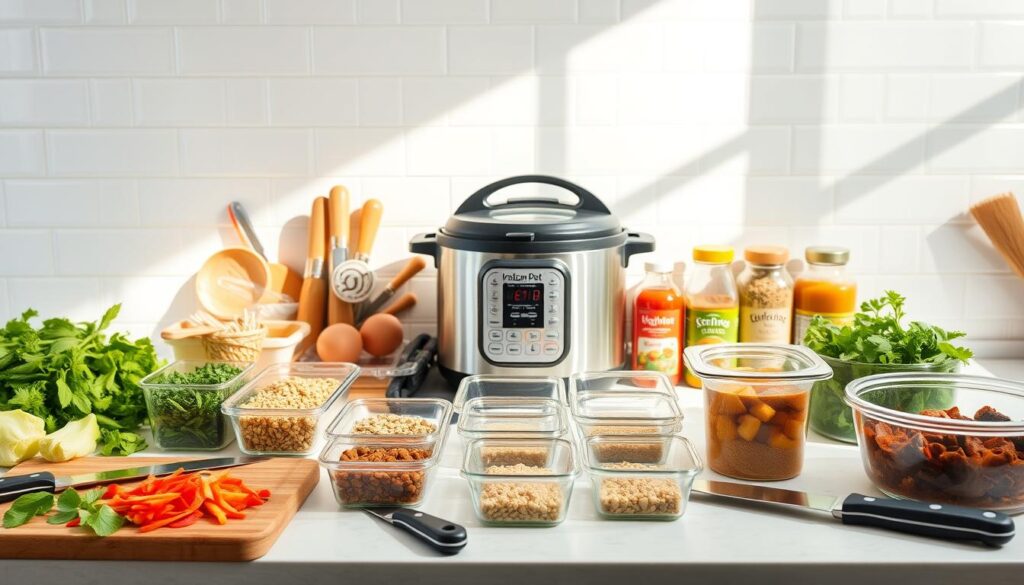
What if you could spend one hour in the kitchen and eat well for four days? Strategic planning transforms your weekly dinner routine from stressful to seamless. These approaches maximize your prep efficiency while ensuring delicious results.
You gain back valuable time while maintaining quality nutrition. The right techniques make weekday meal preparation almost effortless.
Batch Cooking and Planning Ahead
Double batches of your favorite recipes provide multiple dinner options. This approach means cooking once but eating for several days. You can prepare sauce ingredients the night before to streamline morning routines.
Store pre-mixed sauces in a container in your refrigerator. Simply combine with poultry in the morning for immediate cooking. This forward thinking eliminates daily kitchen work.
Storing and Reheating Techniques
After cooking, cool your creation completely before storage. Transfer to an airtight container for refrigerator safety. Your food stays fresh for up to four days this way.
For reheating, use a saucepan with a splash of broth over medium-low heat. The microwave works well for individual portions too. You can also freeze portions in a freezer-safe container for longer storage.
Thaw frozen items overnight in the refrigerator before reheating. These methods preserve texture and flavor beautifully. Your prepared meal actually improves as flavors meld over time.
Pairing Sides and Sauces for a Balanced Meal
Choosing the right accompaniments for your main dish elevates the entire meal from simple sustenance to a satisfying culinary event. The perfect combination of grains, vegetables, and sauces creates harmony on your plate.
Rice, Quinoa, and Vegetable Options
Serve your poultry over brown rice, quinoa, or cauliflower rice. These bases absorb the flavorful sauce beautifully while providing essential nutrients. Each serving becomes more satisfying with this foundation.
Brown rice offers a traditional pairing that works well with any preparation. You can prepare it in your Instant Pot while your main course cooks. This ensures both components are ready for your dinner simultaneously.
For a nutritious meal, pile steamed or sautéed vegetable options over your rice base. Top with generous portions of poultry and spoon the sauce liberally over everything. Steamed broccoli provides an easy side that complements any flavor profile.
Create complete Asian-inspired meals by serving alongside fried rice variations. Fresh salads like cabbage or cucumber options add refreshing contrast. They balance the rich, savory notes of your main dish.
Garnish with toasted sesame seeds and chopped green onions for visual appeal. These additions provide authentic flavor notes and textural interest. Your balanced plate will feature protein, complex carbohydrates, and essential vitamins.
Maintaining and Troubleshooting Your Slow Cooker
Regular upkeep of your countertop appliance guarantees reliable performance meal after meal. Smart maintenance prevents common issues before they affect your cooking results.
Consider investing in a programmable model that switches to “keep warm” automatically. This feature prevents overcooking when your schedule changes unexpectedly.
Every slow cooker model heats differently due to wattage and design variations. Check your food early, especially with new recipes, to ensure proper doneness.
Regular cleaning keeps your appliance in top condition. Wash the ceramic insert with warm soapy water after each use. Wipe the heating base with a damp cloth.
Some crock inserts are stovetop-safe for quick sauce reduction. Always verify this feature in your manufacturer’s instructions first. Never place an unsafe insert on direct heat.
Lightly coat the inside of your pot with oil to prevent sticking. This simple step makes cleanup easier, especially with sugary sauces.
If food consistently overcooks, reduce cooking time by 30-60 minutes. Switch from HIGH to LOW setting for more gentle heating. Ensure your cooker maintains proper temperature over time.
Fill your crock between half and three-quarters full for best results. Overfilling causes uneven cooking, while underfilling accelerates the process.
These maintenance tips help your slow cooker deliver consistent results for years. Proper care ensures your appliance remains a trusted kitchen companion.
Understanding Cooking Times and Temperature Settings
Mastering temperature control transforms your cooking from guesswork to precision. Your appliance’s LOW and HIGH settings both reach about 209°F, but they get there at different speeds. The HIGH setting cuts the cooking time in half compared to LOW.
Low vs. High Settings Explained
For boneless poultry pieces, cook on LOW for 4-5 hours or HIGH for 2-3 hours. Chicken breasts need careful monitoring since they dry out faster. Check them at the earlier end of the range.
Dark meat options like chicken thighs are more forgiving. Bone-in pieces require 4-6 hours on LOW due to the bone’s insulation. The extended heat penetration keeps the meat tender.
Using an Instant-Read Thermometer
The most reliable method is checking the internal temperature. Insert an instant-read thermometer into the thickest part. It should register 165°F for safe consumption.
Never start with frozen poultry. Thaw it completely in the refrigerator first. Frozen meat spends too long in the danger zone where bacteria multiply rapidly.
If you’re short on time, choose the HIGH setting rather than risking food safety. Understanding these relationships helps you plan your schedule effectively.
User Reviews and Expert Tips from the Web
Community feedback provides practical guidance beyond what any single recipe can offer. Real user experiences reveal what truly works in home kitchens.
One reviewer shared enthusiastic comments about their results. “This recipe is a go-to quick and easy meal! The meat is so tender and the sauce is just amazing.” They rated their experience 10/10.
Insights from Food Bloggers
Expert tips emphasize technique over strict timing. Many food bloggers note that searing poultry before cooking enhances flavor significantly. This extra step creates richer taste and better appearance.
Another key tip involves understanding your equipment. Every crock model heats differently. Checking your dish early prevents overcooking. This is especially important with new recipes.
User comments consistently highlight successful pairings. Many home cooks serve their creations over rice with steamed vegetables. This creates balanced, satisfying meals that families enjoy.
The collective wisdom shows these dishes improve with practice. As you adjust cooking times and ingredients, your results get better. Positive reviews confirm that convenience doesn’t sacrifice quality.
Conclusion
You have unlocked a simple path to creating delicious and nutritious dinners that support your busy life. This method proves that fantastic food doesn’t need complex steps or hours of work.
With the right techniques, you can consistently produce satisfying meals at home. Your knowledge of cuts, sauces, and timing ensures excellent results every time.
The flexibility of these preparations allows for easy adaptation to various dietary needs. You can enjoy the same great flavors while meeting specific nutritional goals.
Smart prep and storage strategies mean you cook once and enjoy dinners all week. This saves you valuable time and effort.
These approaches show that eating well can be both simple and deeply enjoyable. You are now equipped to make wholesome eating a seamless part of your routine.